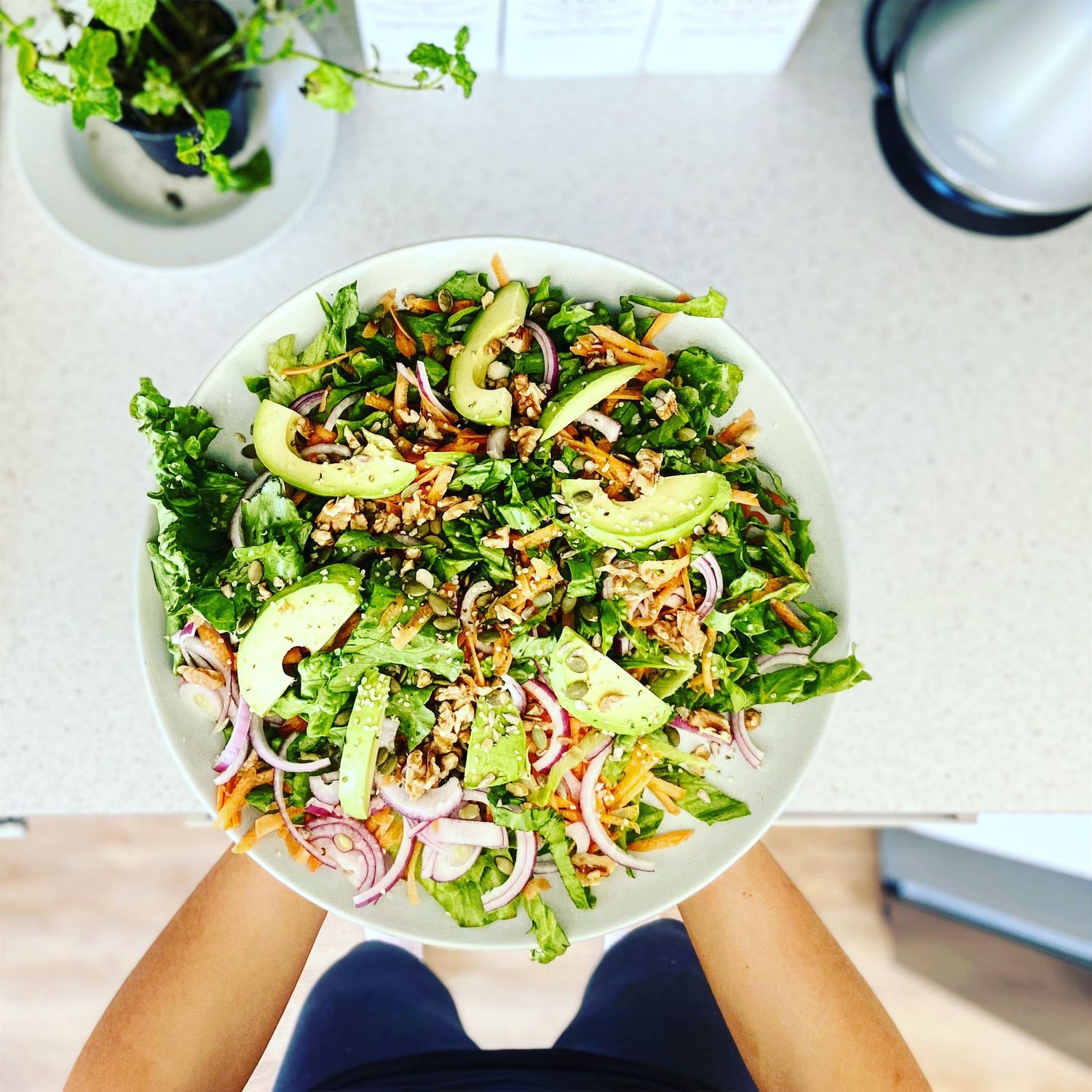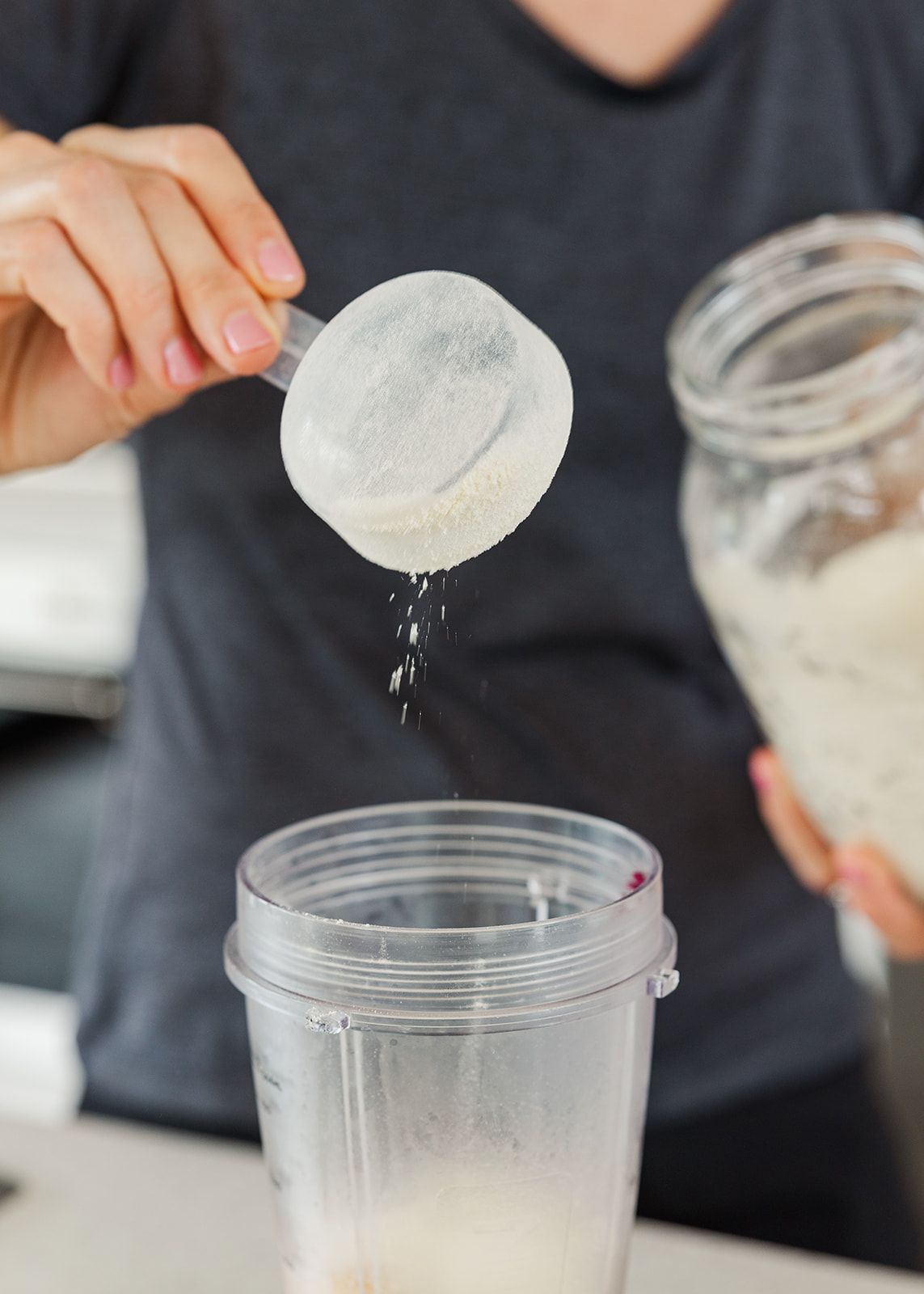
If your protein intake is evenly distributed over the day and you are meeting your total daily requirements from a wide variety of sources, the need for protein powder reduces significantly. Meeting your total daily protein requirements predominantly through whole foods needs to be the priority, rather than using protein powder because it is convenient. However, protein powders can certainly be an effective tool in your nutrition toolbox.
Pros of protein powder
- Convenience: protein powder is an efficient way to get in a lot of protein when your requirements are particularly high, it can be useful when appetite is suppressed after training to ensure you are still getting nutrition on board, and it can bump up protein at breakfast for those who struggle to eat enough or don’t eat dairy or eggs.
- Cost effective: protein powders are cost effective if you are comparing price per portion compared to other rich protein sources such as chicken breast, egg, and milk. For example, some whey proteins can cost as little as $1 for 15g of protein.
- Quality: most protein powders are high quality which is really important, especially for initiating muscle protein synthesis. However, not all are made equal, as outlined below.
Cons of protein powder
- Lack of micronutrients: protein powders are not typically fortified with the vitamins and minerals we would consume from whole foods, as they are not designed to be a meal replacement. For example, a beef steak provides highly bioavailable vitamin B12, iron, zinc, and niacin, but protein powders do not.
- Bigger up-front cost: even though protein powders are cost effective, they are generally a less regular and bigger up-front cost. Buying in store will always be more expensive than buying online, pick wisely and shop smart.
- No added benefit: if you are meeting your total protein needs through whole foods alone, additional protein/protein powder will not provide further benefit.
What should I look for in a protein powder?
Choose a reputable brand that ideally batch tests their products (e.g. Informed Sport, HASTA certified).
Per serving of protein (usually 30 – 40g of powder) you ideally want more than 20g protein, less than 5g of carbohydrates and less than 5g of fat. This will ensure you are paying for a good protein powder and not a meal replacement.
What is the best protein powder for me?
Whey Protein Isolate
Whey protein isolate is the gold standard of protein powder and is relatively cheap. Whey protein isolate is excellent for initiating muscle protein synthesis as it is rapidly absorbed by the body which is why it is recommended post-workout. Whey protein isolate has an ideal amino acid profile and is also one of the lowest in fat and carbohydrates compared to other protein powders. As it is low in carbs, it means it is low in the natural sugar from dairy products, lactose. For this reason, WPI is typically well tolerated in people with lactose intolerance.
Whey Protein Concentrate
Whey protein concentrate is similar to isolate, but often cheaper. The only difference between concentrate and isolate is that concentrate has slightly more fat and carbs, which means slightly more lactose. For people without lactose intolerance or those who aren’t needing to meet specific macronutrient targets, I would typically recommend concentrate simply because it is cheaper.
Hydrolysed Whey Protein
This protein sounds fancier but really just costs you more money. Hydrolysed whey protein has been processed in a way that it is supposedly meant to ‘pre-digest’ the protein allowing it to be more rapidly absorbed by the body. However, there is limited evidence to support that it is superior over WPI or WPC.
Casein
This protein is also from dairy but is much more slow acting compared to whey protein. As it is slow acting, it is not typically recommended post-workout if the goal is rapid recovery. It can have applications when consumed prior to bed for individuals who have really high protein needs (e.g. body builders, elite athletes) as the night-time period can be six hours or more without any protein ingested.
Soy
Soy is the one of the best plant-based alternatives to dairy-based proteins. It has a complete amino acid profile and is low in fat and carbohydrates. It doesn’t quite support muscle recovery as rapidly or to the extent of whey protein, but if overall protein intake is met throughout the day, soy protein provides similar results overall.
Pea
Pea protein behaves similarly to whey protein isolate in terms of muscle protein synthesis. Unfortunately, pea protein is low in an amino acid called methionine. If using pea protein, it is important to combine with another source of protein such as rice protein to address this issue. Pea proteins are often more expensive and can have a chalky texture depending on how they are prepared.
Rice
Rice protein in isolation is not recommended as it is low in the essential amino acids lysine and leucine. Rice protein also performs poorly when compared to other proteins. The good news is, it is high in the amino acid methionine, the amino acid pea protein lacks, and this is why many companies combine pea AND rice protein together. A protein powder with pea and rice combined is a good alternative to whey protein. It is typically more expensive and can have a chalky texture.
In summary, you should always prioritise whole foods and use protein powders as a tool to help with your protein intake. Depending on your dietary requirements, there is a protein powder to suit everyone.
Most importantly, choose a protein powder that fits your budget and you enjoy. If you have any questions around your protein needs, whether you should be including protein powder, or what powder is the right for you, please feel free to get in touch.